5 Ways Student Life in Madrid Can Enhance Your MBA

5 Ways Student Life in Madrid Can Enhance Your MBA

Studying abroad is more than attending classes—it’s immersing yourself in a new way of life. For international MBA students, Madrid offers an inspiring balance of culture, professional opportunity, and day-to-day ease. Recently ranked among the best cities in Europe to live (Forbes 2023, Resonance 2025), the Spanish capital combines affordability, safety, and cosmopolitan energy, making it a welcoming home for students from around the world.

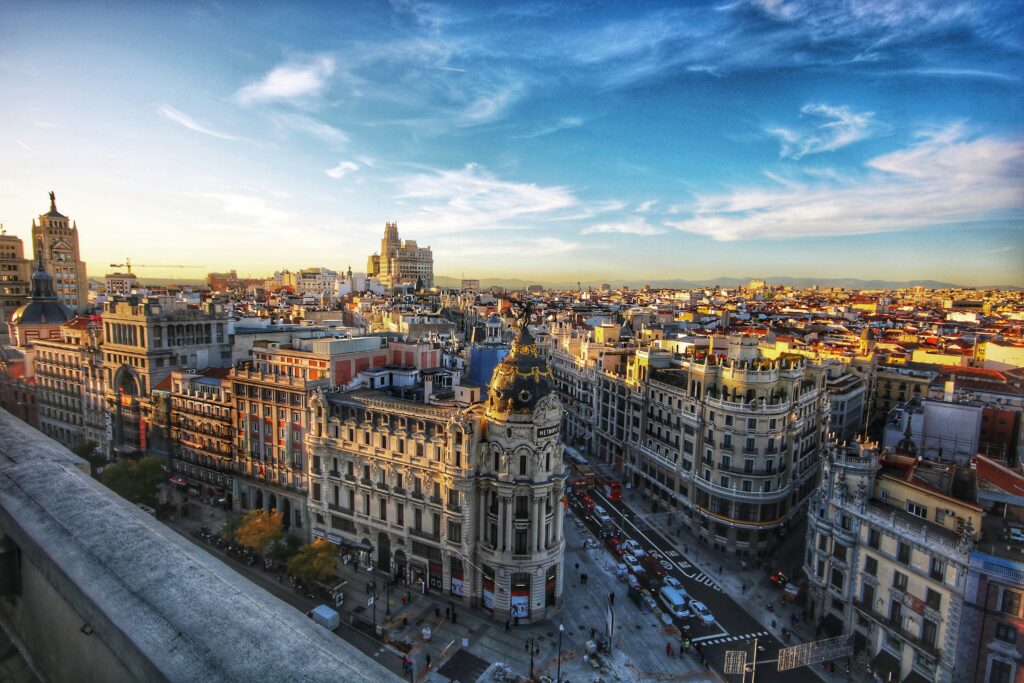
Panoramic view of Madrid city skyline for student life in Madrid MBA

1. Settling In: Housing and Neighborhoods

Madrid offers a variety of housing options to fit different preferences and budgets. Many international students choose neighborhoods close to campus and well-connected by metro, such as Chamartín, Tetuán, Alcobendas, Chamberí or Salamanca. Resources for rentals and student residences make the transition easier, and the city’s walkability and awarded in-city public transportation system adds to the convenience of daily life.

2. Moving Around the City

Madrid’s public transportation system is one of Europe’s most efficient and affordable. With an extensive metro, bus, and commuter train network, students can reach every corner of the city with ease. The campus’s location behind the Santiago Bernabéu Stadium, next to the Four Towers Business District, in Chamartín, ensures that you’re both well-connected and surrounded by professional opportunity.

3. A City Designed for Students

Madrid is home to more than 350,000 students in higher education, giving it a youthful and dynamic atmosphere. Libraries and study spaces such as Francisco Ibáñez, Dámaso Alonso, or María Zambrano are just minutes away from campus. Cafés, coworking spaces, and cultural centers also offer plenty of places to meet, collaborate, and study.

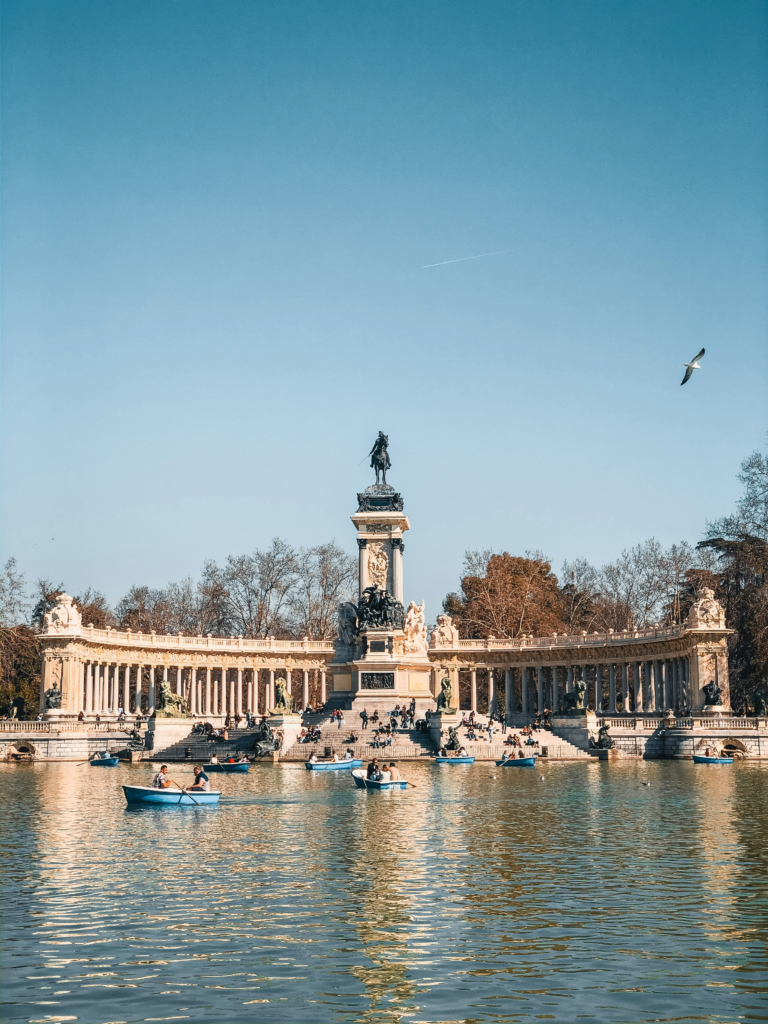
El Retiro Park in Madrid, offering green space and relaxation for international MBA students.

4. Lifestyle and Culture Beyond the Classroom

Given that MBA classes at IAU – Madrid take place in the evenings (18:00–22:00), students often find their cultural explorations shifting to nights out or weekends. After class, the city still offers energy and quite a bit of human-connection:

  • Tapas bars and plazas filled with life.
  • Nighttime strolls through active, safe and extremely lively neighborhoods.
  • On weekends or free afternoons, museums like Prado, Reina Sofía, and Thyssen-Bornemisza, and green spaces such as El Retiro Park or Casa de Campo provide balance and inspiration.

Madrid’s rhythm combines tradition and modernity, offering international students both inspiration and a sense of belonging.

5. Safety and Support

Madrid is considered one of Europe’s safest capitals, with efficient emergency services (112 -equivalent to US’s “911” and 091 – local police) and a welcoming environment for newcomers. At IAU Madrid, students benefit from visa support, academic guidance, and access to health and wellbeing resources, ensuring that the focus remains on learning and growing.

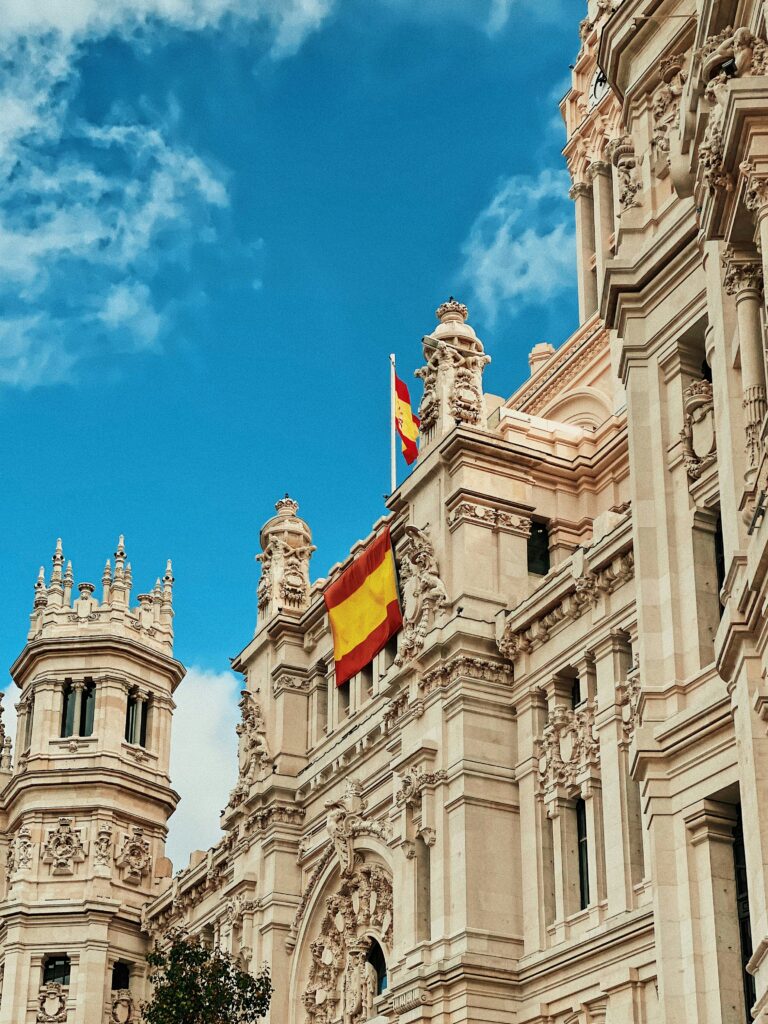
Plaza de Cibeles in Madrid, an iconic landmark near key business and cultural areas, ideal for MBA students.

FAQs – these are the questions we get asked the most when it comes to this topic… 


1. Where do MBA students typically live in Madrid?

Popular, well-connected areas near campus include Chamartín, Tetuán, Chamberí, Alcobendas and Salamanca. Students mix rentals and residences; the city’s walkability and metro make settling in straightforward.

2. How easy is the commute to campus

Very. Madrid’s metro, bus, and commuter rail network is extensive and affordable. The campus sits behind Santiago Bernabéu, next to the Four Towers Business District, in Chamartín, so you’re plugged into transit and an award winning public transportation system.

3. How do students structure a typical day with evening classes (18:00–22:00)?

Most students front-load deep work and errands before class, then use late evening for a short review or networking. A common rhythm is:

  • Morning (09:00–13:00): internship/remote work, team syncs, or library time
  • Afternoon (14:00–17:30): readings, group briefs, gym/errands, early dinner
  • Class (18:00–22:00): lectures, case discussions, project work -all in-class activities.
  • Post-class (22:00–23:00): quick recap, next-day plan, short commute
  • Tips: batch meetings on non-class days, pre-pack meals, and schedule group work right after class while ideas are fresh.

4. How can I build a professional network in Madrid—fast?

Start with a 30/60/90 plan:

  • Days 1–30: join university mixers, sector meetups, and LinkedIn local groups; ask professors for 2 warm intros.
  • Days 31–60: attend at least one industry event/week (consulting, fintech, marketing), volunteer to present a mini-case.
  • Days 61–90: book informational interviews (10–15), follow up with a value note (insight, dataset, or intro).

Bonus: use campus proximity to schedule pre-class coffees; keep a simple CRM (spreadsheet) to track contacts and next steps.

5. Is Madrid safe for international students, and what support does IAU provide?

Madrid is known as a safe European capital. IAU Madrid supports students with visa guidance, academic advising, and health & wellbeing resources, so you can focus on learning and growth.

Ready to go global?

 For international MBA students, Madrid is more than a study destination—it’s a community, a professional hub, and a cultural experience all in one. Whether you are arriving from Italy, Romania, or beyond, choosing to study here means gaining not just an accredited U.S. degree, but also the daily rhythm of a global city that shapes both your academic and personal journey.
 

IAU makes that journey clear, legal, and accessible.

Schedule a free session with our team and let’s figure out your roadmap together.

We recommend reading our article: Top 10 Questions About the IAU MBA in Madrid (and How to Transition to Los Angeles)  

American education, European experience, global impact.

Solicitar Información Request Information